Pedigree Mapping and Talent Identification Networks Adjusting Betting Algorithms in Racing Payouts and Draft Markets
Klara Simmons · Oct 30, 2026
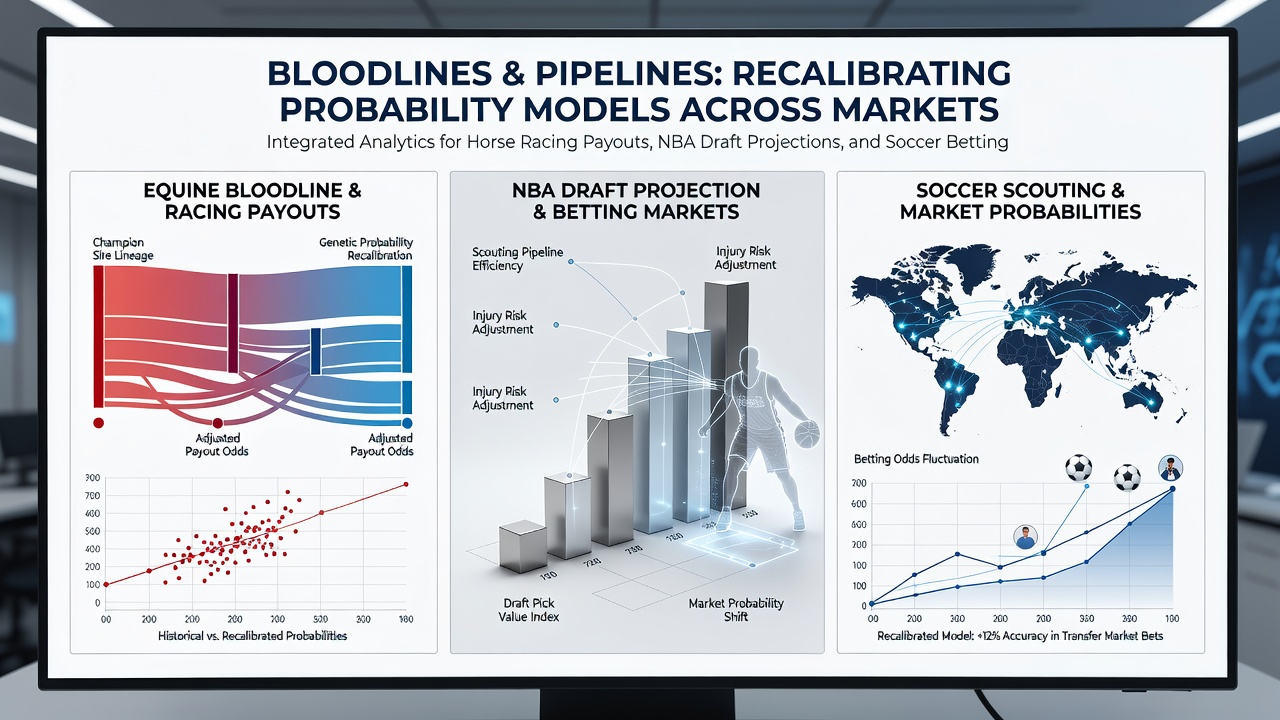
Pedigree Mapping and Talent Identification Networks Adjusting Betting Algorithms in Racing Payouts and Draft Markets
Analysts track equine bloodlines through extensive databases that update probability models for race outcomes and associated payout structures each season, while parallel systems in professional leagues apply scouting metrics to refine draft projections and betting lines in NBA and soccer markets. Data from these pipelines feed directly into algorithmic adjustments that operators use to set odds across multiple jurisdictions. Observers note that October 2026 brought fresh updates to several pedigree registries and draft evaluation reports, creating measurable shifts in how markets priced future events.
Equine Lineage Records and Payout Recalibrations
Thoroughbred registries compile generations of performance data that feed statistical models for race forecasting, and these inputs alter expected value calculations for win, place, and exotic bet types. Breeders and analysts cross-reference sire and dam records with track-specific variables, producing revised probability distributions that influence morning line odds and live betting adjustments. Research from the International Federation of Horseracing Authorities indicates that certain bloodlines demonstrate consistent patterns in distance and surface preferences, which operators incorporate when recalibrating hold percentages for major stakes events.
Trainers submit updated entries that trigger automated reviews of historical progeny results, and this process often produces incremental changes to payout tables before post time. One case study involving a prominent European sire line showed how progeny success rates in North American turf races prompted a 3.2 percent downward adjustment in implied probabilities for competing entries during the 2026 autumn meets. Such revisions ripple through parimutuel pools and fixed-odds platforms alike, altering the distribution of returns for bettors who follow pedigree signals.
Scouting Pipelines in NBA Draft Projections
NBA front offices maintain extensive scouting networks that evaluate college, international, and high school prospects through standardized metrics, and these assessments shape draft position probabilities that betting markets translate into proposition odds. Teams compile physical, skill, and situational data that statistical models convert into projected win shares and role expectations, which sportsbooks then use to set over-under lines on rookie performance categories. Recent drafts have demonstrated how shifts in scouting emphasis on three-point volume and defensive versatility led to revised probability weights for certain statistical categories.
Betting operators integrate pre-draft ranking updates from multiple sources, and this flow of information produces dynamic line movements in the weeks leading to the event. Figures from the National Basketball Association show that teams with stronger analytics departments have influenced market consensus on late-first-round selections, creating value opportunities when public perception lags behind refined projection models. Those who monitor these pipelines observe that injury history adjustments and combine measurement outliers frequently trigger recalibrations in live betting environments after the draft concludes.
Soccer Academy Outputs and Market Adjustments
European and South American clubs operate academy systems that track youth player development metrics, and these outputs inform transfer market valuations that appear in soccer betting lines for future performance indicators. Scouting reports quantify technical, tactical, and physical attributes that probability models convert into expected goal contributions and appearance totals, which operators apply when constructing futures markets. Data released in mid-2026 from several top academies highlighted how specific training methodologies correlated with faster integration into senior squads, prompting minor revisions to appearance over-under projections in domestic leagues.

International tournaments serve as testing grounds where updated scouting inputs generate rapid line adjustments, and these movements reflect revised probabilities for goal-scoring and clean-sheet outcomes. Markets for major competitions often incorporate academy graduation rates as leading indicators, producing subtle but consistent shifts in accumulator construction for bettors who track developmental pathways. The process connects directly to draft-style projections because clubs use similar quantitative frameworks to forecast player trajectories across both soccer and basketball contexts.
Integration Across Betting Model Frameworks
Operators combine bloodline statistics and scouting outputs within unified probability engines that recalibrate across racing and team-sport markets simultaneously, and this cross-pollination produces more granular pricing for correlated events. Historical performance databases now interface with real-time scouting feeds, allowing automated systems to adjust implied probabilities when new pedigree or talent data emerges. Studies conducted by academic research groups at universities in North America and Australia demonstrate that multi-sport modeling approaches reduce variance in long-term hold percentages compared with siloed systems.
Market makers apply these integrated models during major calendar periods, including the overlap between autumn racing meets and early NBA training camps in 2026. The resulting line adjustments reflect both traditional form factors and emerging pipeline signals, creating layered opportunities for informed participants who monitor multiple data streams. Regulatory filings from Canadian provincial gaming authorities confirm that such algorithmic refinements have become standard practice among licensed operators seeking to maintain competitive pricing while managing exposure across diverse product categories.
Conclusion
Pedigree mapping and scouting pipelines continue to supply critical inputs that recalibrate probability models for horse racing payouts and draft projections in NBA and soccer betting markets. These systems operate through continuous data collection and statistical refinement, producing measurable effects on odds and returns. Observers tracking developments through October 2026 note ongoing integration of new registry updates and academy reports into existing frameworks, sustaining the connection between lineage analysis, talent evaluation, and market pricing across these sectors.