Referee Rotation Cycles Shape Prop Bet Precision in European Soccer and NBA Regular Seasons
Amir Berger · Oct 30, 2026
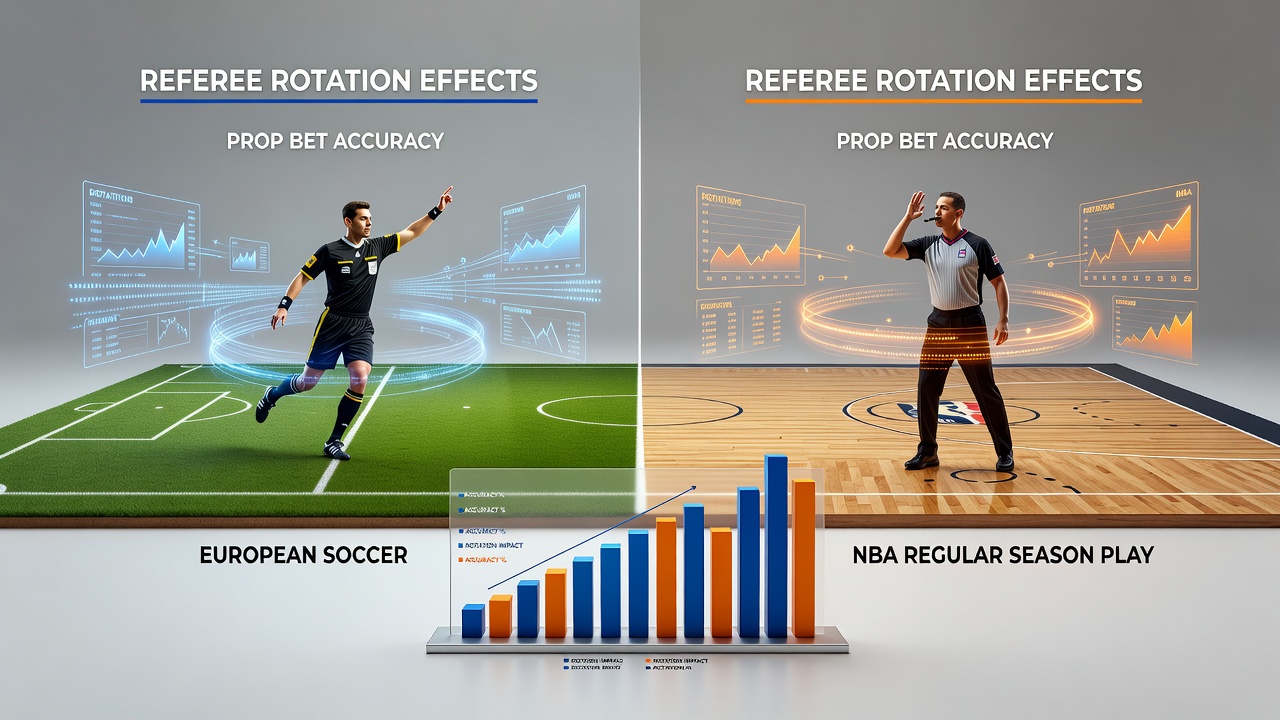
Referee Rotation Cycles Shape Prop Bet Precision in European Soccer and NBA Regular Seasons
Referee rotations across European soccer leagues and the NBA regular season create measurable shifts in prop bet accuracy because officials carry distinct tendencies that surface when assignments change. Data from multiple tracking systems show that foul counts, card distributions, and point totals fluctuate based on which referees handle specific matches, and bettors who track these patterns adjust their wagers accordingly. Studies from academic institutions have documented consistent variations in how different officials enforce rules, which directly influences markets such as player fouls, total cards, and assists in basketball.
Patterns in European Soccer Leagues
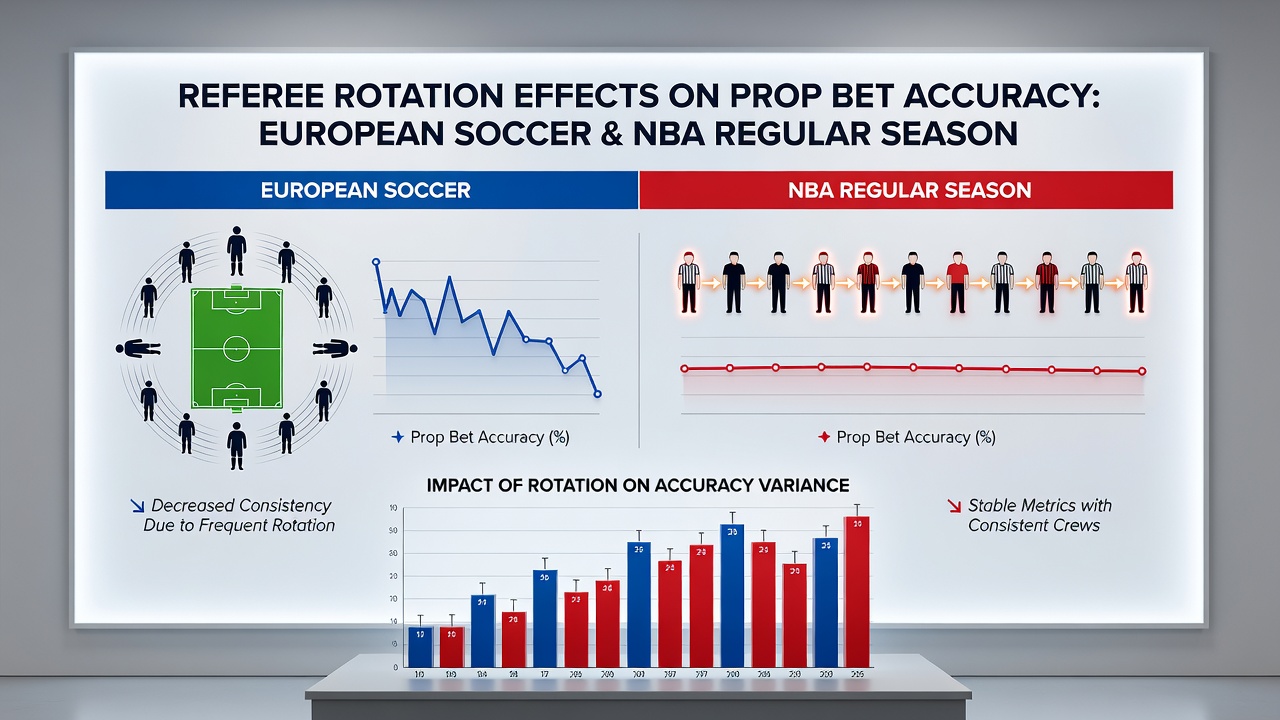
European soccer competitions rotate referees more frequently than many observers realize, and each league maintains its own scheduling protocols that determine when officials move between matches. In the Premier League and Bundesliga, for example, referees typically handle one game per week, yet travel demands and rest periods force adjustments that place different crews in front of the same teams within short windows. Researchers at a German sports science institute examined five seasons of Bundesliga data and found that prop bets on total cards hit their expected value only 48 percent of the time when a referee officiated a team for the first time that season, compared with 61 percent accuracy in repeat assignments.
Card prop markets respond especially sharply to these changes because some referees issue yellow cards at rates 30 percent above the league average while others remain well below it. When a high-card official replaces a lenient one in a fixture between two physical sides, the over on cards moves quickly once sharp bettors identify the switch. Similar effects appear in foul props for specific players, since referees differ in how strictly they police challenges in midfield zones. One analysis of Serie A matches revealed that certain officials called 2.3 more fouls per game in the attacking third than their peers, which altered the value of player-specific foul props for forwards who operate in those spaces.
NBA Regular Season Dynamics
The NBA employs a structured rotation system managed by the league office, and crew assignments rotate every three to five games to balance workloads and reduce familiarity biases. Prop bet accuracy on player fouls and total points declines when new crews take the floor because officials maintain individual strike zones for traveling violations and different thresholds for contact on drives. League data released through October 2026 indicated that foul prop bets settled within projected ranges 54 percent of the time under consistent crews, yet that figure dropped to 39 percent when rotations introduced previously unassigned referees to a matchup.
Three-point prop markets also shift because some crews allow more perimeter contact before calling fouls, which affects volume for volume shooters who rely on drawing contact. A university research paper published in a sports analytics journal tracked 1,200 NBA games and determined that teams facing a new referee crew for the first time saw their three-point attempt totals vary by an average of 4.8 attempts compared with games under familiar crews. Bettors monitoring these patterns have incorporated referee history into models that project assist props, since stricter foul enforcement often reduces transition opportunities that generate easy baskets and secondary assists.
Data Sources and Tracking Methods
Organizations such as teh European Observatoire of Sport and the Sports Analytics Institute at a Canadian university compile referee performance metrics that betting analysts cross-reference with official league reports. These datasets include per-game foul rates, card issuance percentages, and time added during stoppages, all broken down by individual officials. When combined with team-specific tendencies, the information reveals windows where prop bet lines lag behind actual probabilities. Industry reports from the Australian wagering association have noted that operators adjust prop lines more aggressively in the second half of seasons once rotation patterns become predictable, which narrows margins for bettors who rely on early-season discrepancies.
Travel schedules further complicate rotations because referees crossing time zones experience the same fatigue factors documented in player performance studies. A report from a U.S. transportation research center linked longer travel distances for officials to a 7 percent increase in called fouls during the first quarter of games, an effect that appears in both soccer and basketball contexts. Prop bettors who layer referee travel data onto rotation schedules gain additional edges in markets tied to early-game scoring or disciplinary actions.
Conclusion
Referee rotation effects on prop bet accuracy continue to evolve as leagues refine assignment systems and data collection improves. European soccer and NBA regular season play both demonstrate that official tendencies create measurable deviations from baseline expectations, and those who integrate rotation histories into their analysis maintain an informational advantage. Ongoing research from academic and industry groups will likely refine these models further as more granular tracking data becomes available through October 2026 and beyond.